
Dating Someone from Korea? 6 Cultural Differences to Know First
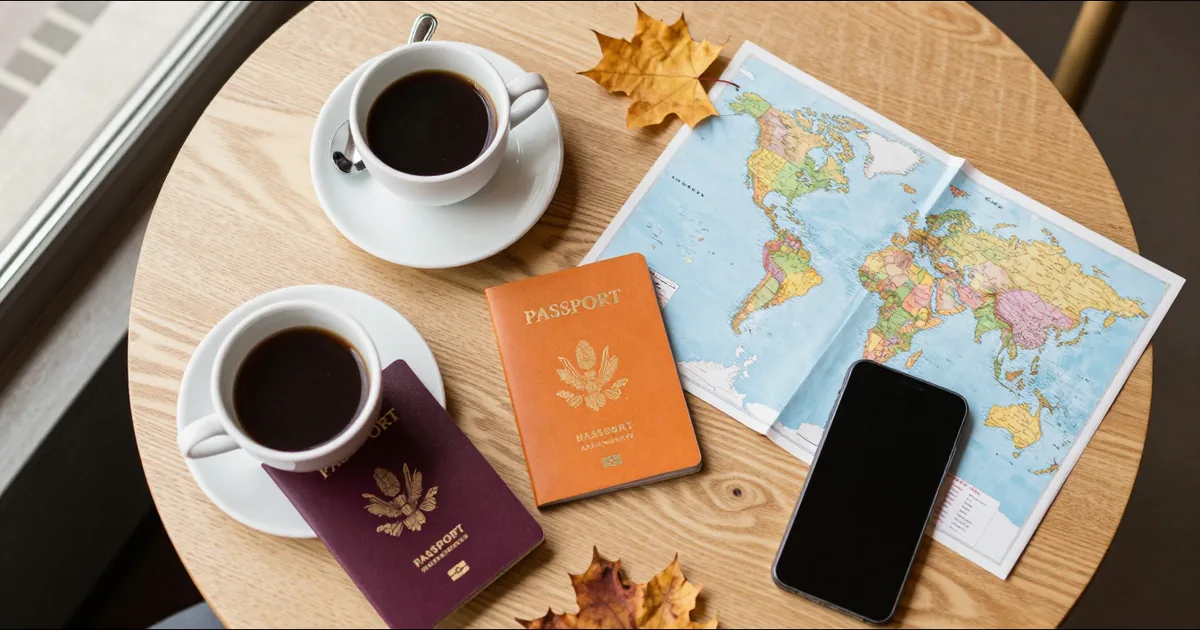
Dating across cultures is more popular than you might think. When a Korean dating app surveyed 13,788 single adults, 86% of men were positive about dating someone from another country, and 59% of women said they'd like to try it or that nationality didn't matter (Lady Kyunghyang, November 2025).
Once you start dating, though, cultural differences often cause more friction than language. Knowing them in advance turns a potential misunderstanding into a conversation. These are general tendencies, not rules — everyone is different, wherever they're from.
1. Texting: constant messages may be normal in Korea
In Korea, frequent texting throughout the day is often seen as a sign of affection when you're dating. In many other cultures, a message or two a day is perfectly normal. If your partner texts more (or less) than you expect, don't read too much into it. Just ask: "I like texting often — what about you?"
2. "Are we dating?": Korea often has a clear day one
Couples in Korea commonly make it official with a confession and count their relationship from that day. Elsewhere, relationships may deepen gradually without a defined start. If you're unsure where you stand, asking honestly is the fastest way to avoid confusion.
3. Who pays: there's no single right answer
Taking turns, splitting the bill, or the person who invited paying — all are common. Early on, a light "I'll get this one, you get the next" makes it easy to find your own rhythm.
4. Affection: words vs. actions
Some cultures say "I love you" often, others show it more through actions. Anniversaries differ too: Korean couples may celebrate 100 days together or Pepero Day on November 11. If your partner shares one of these with you, it's a fun tradition to learn rather than something you were expected to know.
5. Age and titles: asking someone's age is normal in Korea
In Korea, asking someone's age soon after meeting is common because it shapes how people address each other. Terms like "oppa" (what a woman calls an older man) and "unnie" (what a woman calls an older woman) can be confusing at first — and they make a great conversation topic.
6. Family and friends: different timelines
Some cultures introduce a partner to family early; others wait until things are serious. Bringing a partner to every friend gathering may feel natural to one person and fast to another. Talking about expectations early saves hurt feelings later.
In the end, talk about it
Cultural differences are unavoidable, but most of them can be solved with a simple "How is it in your country?" Being curious about each other is half the fun of dating across cultures. Your language doesn't have to be perfect. With translated chat, you can each write in your own language and get to know each other at your own pace.
Keep reading
How to Send a First Message to Someone from Another Country: 7 Tips
Not sure what to say first to someone who speaks another language? Here are easy opening lines, what to avoid, and how to keep the conversation going.
6 Seoul Autumn Date Spots to Visit with a New Friend
Seoul's fall foliage peaks from late October to early November. Six places to walk and talk with a friend or date.