
Korea's First Snow Romance: Winter Date Ideas for Couples
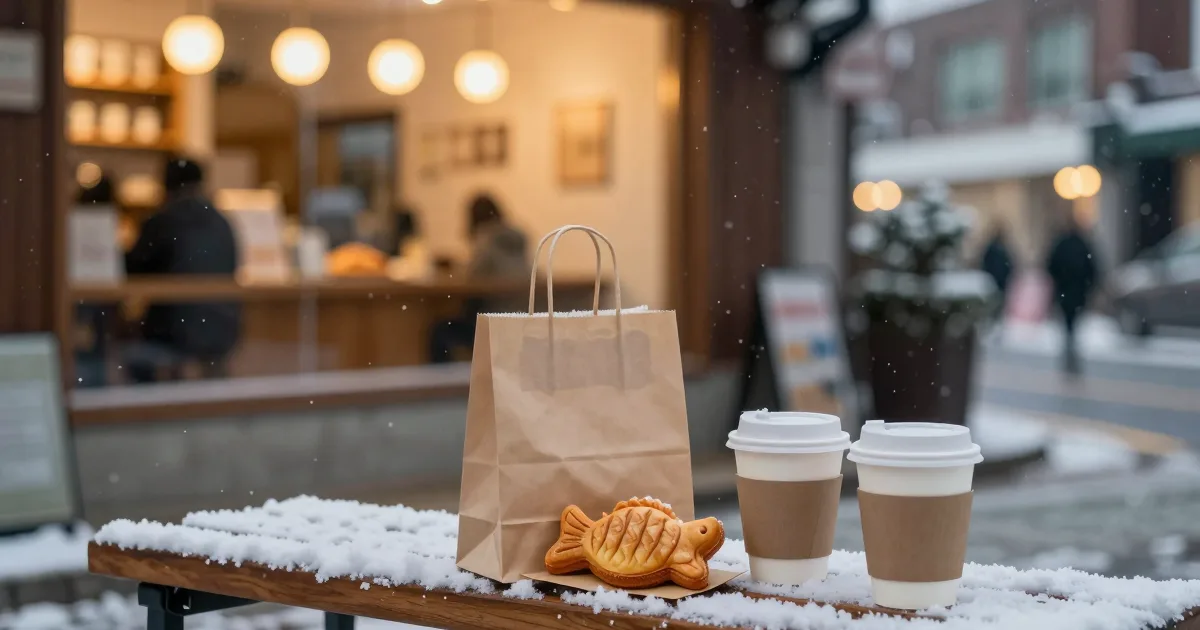
If you're dating someone Korean, or just have Korean friends, you may hear this line as November rolls in: "Let's meet when the first snow falls." In Korea, the first snow of the year isn't just weather. It's a small romantic event, and it's one of those cultural details that's easy to miss if nobody explains it. Here's what it means, when to expect it, and how to make the most of Korea's cold season together.
Why the first snow matters in Korea
There's a popular belief in Korea that if you're with the person you like when the first snow falls, your love will come true. Others say it's the perfect day to confess your feelings. You'll see the idea all over K-dramas and ballads, which is why so many people get a little giddy at the first flakes.
In practice, it usually looks like this:
- Couples or "almost couples" promise in advance to meet on the first snow day, whenever that turns out to be.
- People text someone they're thinking about: "첫눈 왔어요!" (cheonnun wasseoyo, "The first snow is here!")
- Friends post the first snow on social media within minutes.
If you get a "first snow" text from someone, it's a good sign. It means you were the person they thought of.
When does it snow for the first time in Seoul?
According to the Korea Meteorological Administration, Seoul's average first snow date is November 20, based on 1991–2020 data. But it varies a lot. The earliest on record was October 23 (1981) and the latest was December 16 (1984) (Seoul Shinmun, Nov 2021, in Korean).
Here's a fun detail: Seoul's first snow only counts when a KMA staff member sees snowflakes with their own eyes at the Seoul Weather Station in Songwol-dong, Jongno. So your neighborhood might get flurries while the news insists it hasn't officially snowed yet.
And it isn't always a light dusting. In 2024, the first snow arrived on November 27 and piled up to 16.5 cm in Seoul, the most November snow since records began in 1907 (Weekly Kyunghyang, Nov 2024, in Korean). Check the forecast before you plan anything ambitious.
Cozy winter date ideas in Korea
- A street snack crawl. Winter is peak season for bungeoppang (fish-shaped pastry with sweet red bean), hotteok (syrup-filled pancakes), roasted sweet potatoes and fish cake skewers in hot broth. Some stalls are cash-only, so keep a few bills on you.
- Ice skating. Seoul has year-round indoor rinks, and some outdoor rinks open for the winter. Holding hands for balance is a perfectly good excuse.
- A jjimjilbang (Korean spa) visit. Heated rooms, the famous towel "lamb hat," baked eggs and sweet rice drink sikhye: it's a classic Korean experience. Note that the bathing areas are separated by gender, while the common lounge areas are shared.
- A warm noodle or stew spot. Try kalguksu (knife-cut noodle soup), sundubu-jjigae (soft tofu stew) or gamjatang (pork bone stew). If spice is a concern, ask for 안 맵게 (an maepge, "not spicy") or order one mild dish to share.
- An evening lights walk. As December approaches, downtown streets fill with holiday lights. A 30-minute walk with hot drinks is low-key and lovely.
Practical tips for winter dates
- Dress for real cold. Korean winters can be harsh, especially with the wind. Gloves and a disposable hand warmer (hatpaek, sold at convenience stores) make a big difference.
- Have an indoor backup. Pick a cafe, museum or exhibit near your route in case of heavy snow or a cold snap.
- It gets dark early. By late November, the sun sets around 5:15 p.m. in Seoul, so start daytime plans earlier than you would in summer.
Wrapping up
The first snow is one of the easiest excuses all year to reach out to someone. "It's snowing, are you seeing this?" is all it takes. If you're still hoping to find someone to send that message to, browsing Moments on ZemTalk, where people nearby share what they're up to right now, is an easy way to start a conversation.
Keep reading
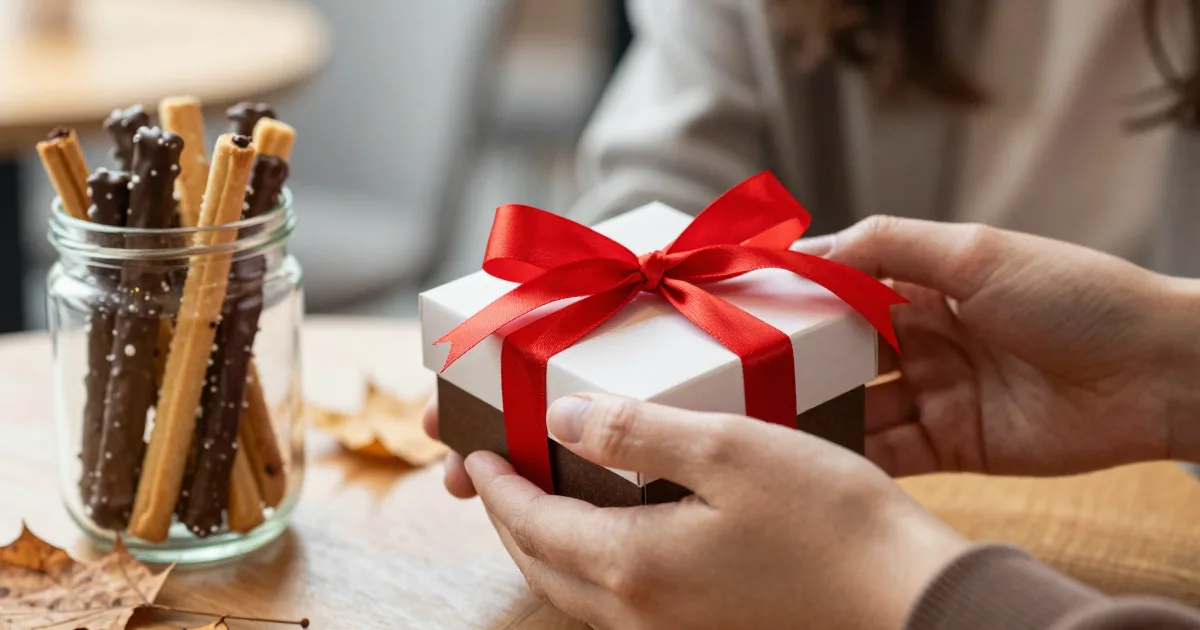
What Is Pepero Day? A Guide to Korea's November 11 Tradition
Pepero Day is Wednesday, November 11 this year. Why Koreans swap chocolate sticks, easy gift and date ideas, and other Korean couple days to know.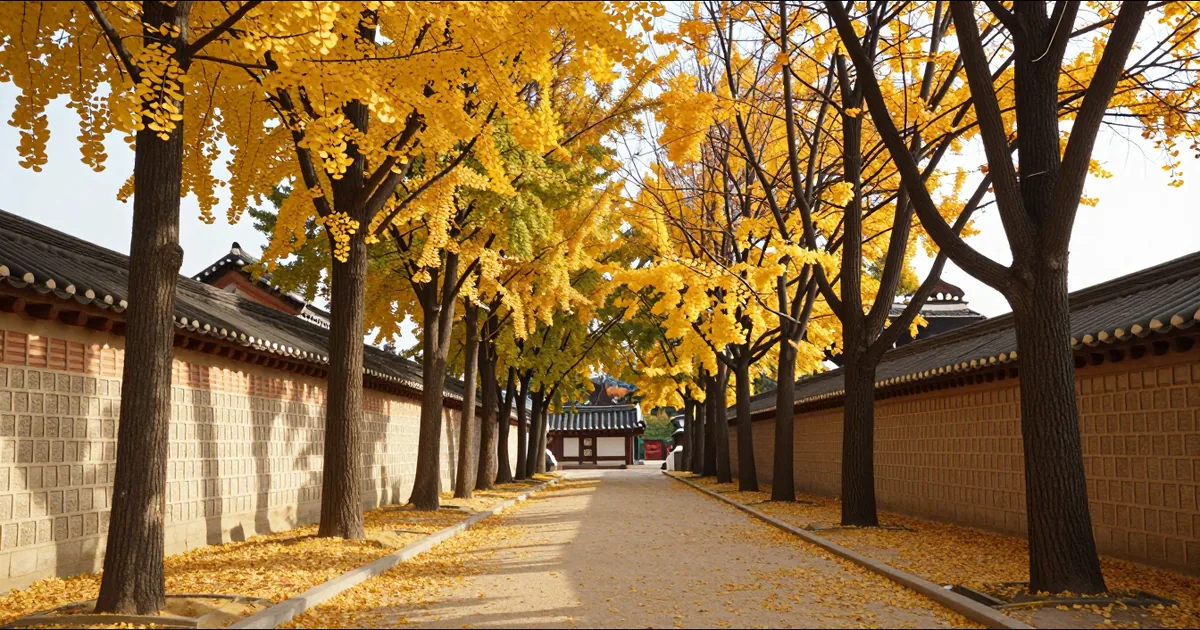
6 Seoul Autumn Date Spots to Visit with a New Friend
Seoul's fall foliage peaks from late October to early November. Six places to walk and talk with a friend or date.
Dating a Korean Speaker? 7 Ways to Get Past the Language Barrier
Tips for couples who don't share a first language: translator-friendly messages, handling arguments, and the Korean phrases worth learning first.